HAUNTED BY THEIR WORK….SECONDARY TRAUMA IN THE COURTROOM

Judges, attorneys, courtroom personnel, and jurors may be at risk of secondary trauma and compassion fatigue. Research on secondary or vicarious trauma initially focused on professions such as first responders, medical personnel, counselors, therapists, and other helping professionals who were repeatedly exposed to the traumatic events that affected the people they were charged with helping.
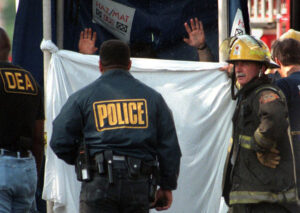
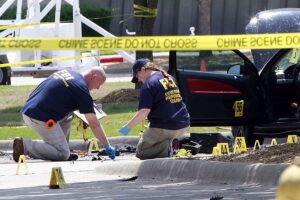
Repeated exposure to detailed accounts, crime scene photos, videos, or testimony to someone else’s trauma is exactly what happens in a courtroom every day across America. For many judges, attorneys, courtroom personnel, and jurors, the violent, disturbing-reality they witness inside and outside the courtroom as part of their work can become debilitating. Secondary trauma, also called compassion fatigue, can cause a person to develop Post Traumatic Stress Disorder if they experience a life threatening event or are exposed to bearing witness to such an event. The seeds of secondary trauma are sown as legal professionals, courtroom personnel, and jurors start to relive the experience of evidence involved in a case or cases. In doing so, they may become overwhelmed, isolated, distant, anxious, and depressed. As a helping professional, you become a reservoir of other people’s trauma – first person accounts, crime scene photos, autopsies, videos, and other evidence. It is called countertransference. Secondary trauma can happen after one case or after years of handling or overseeing disturbing cases.
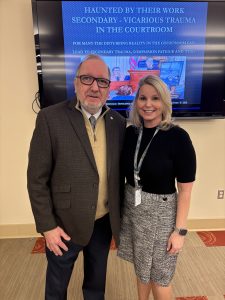
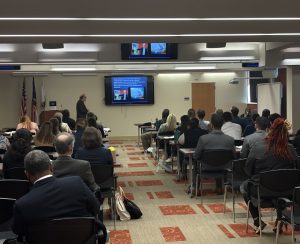
The Police Stress Unit and Frontline Training Institute offers a Four-Hour Educational Class for Judges, Attorneys, Courtroom Personnel and Jurors. This educational class provides attendees with a firsthand look at Stress, Trauma, Compassion Fatigue, Burnout, and PTSD as it is related to working in a courtroom setting. Attendees will learn how stress and trauma affects the body and mind and how to recognize signs and symptoms. The instructor will examine case examples and identify personal risks related to the jub and personal life. Students will receive resource materials and the tools and skills needed for developing strategies to reduce stress and trauma and build a personal plan for resiliency.
We also offer an educational class on how to talk to Jurors after a difficult trial that will assist with processing Secondary Trauma and and Self-Care.
Give The Police Stress Unit a call for more information at 407-497-1465