Alcohol Abuse Among Law Enforcement Personnel Is On The Rise… Addressing the Unique Challenges
Excerpts from Abstract Paper by James Genovese
Becoming Blue Understanding Police Culture – Sean Farmer
Addiction & Recovery for First Responders – Drew Prochniak, MA, LPC, LMHC
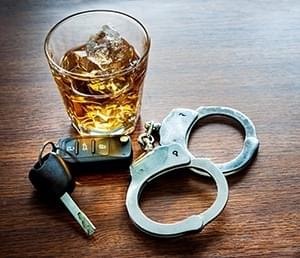
Alcohol abuse among law enforcement personnel is a serious and widespread problem, with some recent studies estimating that it afflict approximately 35 to 40% of personnel in the United States. According to recent STAT Research – May 15, 2026, alcohol kills more Americans than all other drugs combined. Research has revealed a strong connection between occupational stress and alcohol and drug abuse, but also a strong sub-culture more among law enforcement personnel that encourages drinking both for social and stress- reduction – (self medicating) purposes. Alcohol consumption among law enforcement officers is also correlated with officer suicide and domestic violence, and many departments are beginning to recognize the liability in allowing this problem to go untreated. Mental health professionals have an opportunity to introduce prevention and intervention services.to law enforcement agencies, but they must first surmount the wall of suspicion and cynicism that isolates the law enforcement sub-culture from the rest of society.

Despite the significantly high risk for alcoholism and other related problems, law enforcement remains one of the most difficult groups to reach with intervention and prevention services, due largely to the insular, clannish nature of the police culture (Donovan, 1994).
Nature of the Problem
Officers must be willing to expose themselves to danger on a daily basis and to confront life-threatening situations. They must be willing, on one hand, to comply with a superior’s demands even when disagreeable and, on the other hand, to withstand the angry efforts of offenders to control them. The need to balance contradictory roles while maintaining a high degree of interpersonal sensitivity may adversely affect an individual over time if he or she does not have unusual shills.
The Role of Stress
The time early in one’s career is particularly stressful since it requires adjustment to the mores of an occupational group that may be quite different from that which is otherwise familiar to the individual. For police officers, this adjustment is particularly different since the transition from Civilian life to police work involves exposure to stressors that hereto fore have not revealed themselves to the recruit. For rookie officers, in particular, there is evidence to suggest that stress from their work causes physiological changes even before the officer himself or herself recognizes that stress is problematic to one’s health.
The overreaching impact of stress is corroborated by Beulter’s (1988, as reported by Police-Stress, n.d.) longitudinal, four year study of 25 rookie University of Arizona police officers, which utilized several self-reporting tools including the MacAndrews Alcoholism Scale. The study found that “significant changes” occurred in the psychological makeup of the officers after just a few years on the job, and concluded that “Police officers may show signs of stress early in their careers” and that “with greater time in service, somatic signs of stress and risk of substance abuse increase”. To wit, respondents’ scores on the MacAndrews Scale increased from 0% for alcohol problems in the first year to 27% by the end of the second year, and to 36% by the fourth year of the study.
Reasons for Alcoholism in Law Enforcement Includes Trauma and Stress
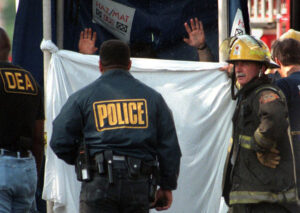
Police officers may witness deadly car accidents, domestic violence, child abuse, shootings and gory crime scenes on a regular basis. Any of these situations could have a serious psychological impact on the responding officers and crime scene technicians. Coupled with the pressure that police are under to remain calm , in control, and correctly do their job, this could be overwhelming and lead to alcohol or drug abuse to attempt to cope with depression, anxiety, or post traumatic stress disorder (PTSD) symptoms. A study published in the National Criminal Justice Reference Service found 4 main occupational demands that can trigger alcohol abuse.
Reacting unemotionally to the daily stresses of the job (depersonalization).
Authoritarian demands from police managers.
Organizational protection of officers from criticism.
Daily awareness of the dangers of the job.
Recent research reports approximately 65% of law enforcement officers show signs and symptoms of PTSD, and 1 in 4 police officers have thought about suicide at least once in their life.
The suicide rate is 4 times higher for police than firefighters, who also experience traumatic situations on a regular basis. In fact, more police die by suicide than by homicide. While stressful situations may trigger alcoholism in police officers, trauma is not the only contributing factor. Working in an environment where your peers are also abusing alcohol and ignoring warning signs of alcohol addiction can perpetrate a serious alcohol use disorder.
Modern Police Culture and Drinking
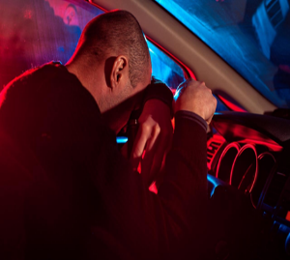
Modern police culture remains insular and tight-knit, and the extent to which drinking has become ingrained in it varies from station to station, department. Yet empirically, police officers face heavy pressure to drink, to where non-drinking officers are often viewed as suspicious or anti-social by their colleagues. Davey, et.al. ( 2001), in a recent survey of police officers found that at least 25% reported drinking to “be part of the team” while 25% reported that they were negatively affected by a co-worker’s drinking.
Whereas alcohol abuse, substance abuse, other associated health-related problems can create liability for a police department and compromise its effectiveness, police officials typically do nothing to prevent or mitigate the problems but instead react punitively once a troubled officer’s behaviors get out of hand (Lamb and Breazeale, 2002). There are opportunities for prevention specialists and mental health professionals to partner with police agencies to reduce the incidences of alcohol abuse among law enforcement personnel, providing they are presented in such a way as to overcome officers’ barriers of cynicism and suspicion.
In police who demonstrate at-risk drinking behaviors, fitting in with their peers appears to be a major contributing factor. A study published in the Journal of Police and Criminal Psychology found that the officers who were, “most at-risk for drinking problems admitted that fitting in was the highest on their list of why they drank alcohol.” While stress is the most common reason that police state they drink, studies have found that celebration and socializing with peers were some of the most important factors that contributed to alcohol use. Some research has even shown that nondrinkers were seen as suspicious and unsociable people by other police officers.
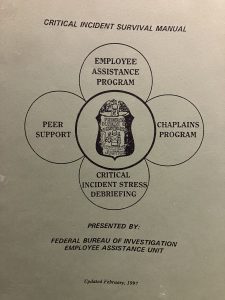
A common mindset among law enforcement is that a person outside of the profession will be unable to understand the pressures they face which leads to a tight-nit and potentially destructive group mentality among officers who abuse alcohol. Police may also protect their own, and not report dangerous drug or alcohol use that they witness in their peers. This can be considered enabling and does nothing to help the person with the addiction. A police officer working under the influence or hungover can lead to a potentially disastrous situation. Police officers need to make quick decisions and de-escalate tense situations, which can be near impossible when their mind is fogged by the effects of alcohol. Even if he or she realizes they have a problem with alcohol and knows they need professional help, they may be afraid to seek out help for fear of disciplinary action or loss of their job. While an officer can be terminated for alcohol use that adversely impacts their work, they are protected under the Americans with Disabilities Act (ADA) if they chose to seek treatment for an alcohol use disorder. Officers can take advantage of programs like Access EAP, a peer based Employee Assistance Program that offers support for first responders that are struggling with stress, depression, substance abuse, family, grief, financial issues, and more. “There are also inpatient and outpatient treatment programs such as Harbor of Grace – National Law Enforcement and First Responder Wellness Center that focuses on resolving PTSD issues as well as an alcohol use disorder. Talk to a treatment provider today and get answers to your questions.
Summary
Law Enforcement Personnel are a unique subset of the population as a result of their occupation culture and regular exposure to stressors and trauma. These issues culminate in an increased risk for problem drinking, either as a result of social pressure or as an unhealthy way to try to control anxiety or stress. Without professional treatment, officers who engage in hazardous alcohol consumption may be negatively affected by reduced productivity at work, increased mental health concerns, and dysfunctional family and /or social environments. It is critical that officers learn healthy coping strategies to minimize stress on a regular basis, rather than attempt to mask stress with alcohol.
One Officer’s Story
How To Use This Information
For Law Enforcement Administrators and Supervisors:
Education on hazardous alcohol consumption and daily coping strategies for work-related stress and trauma can significantly assist officers with managing their stress levels and drinking behaviors. The Police Stress Unit and Frontline Training Institute offers educational training classes as well as guidance for reducing alcohol consumption among officers.
For Law Enforcement Officers:
Do your part to encourage a cultural norm among your colleagues that is not dependent on alcohol use. In addition to self-care following a critical incident, it is important to self monitor daily stress levels and find healthy coping strategies for minimizing stress related to day-to-day struggles. If you are regularly anxious or depressed as a result of your work. contact The Police Stress Unit for a CONFIDENTIAL RESPONSE to process these feelings in a healthy way.
You Alone Must Do It….But You Don’t Have To Do Alone!